Boosting Grid Reliability Through Battery Energy Storage Systems
2025 Sustainability Report

BESS

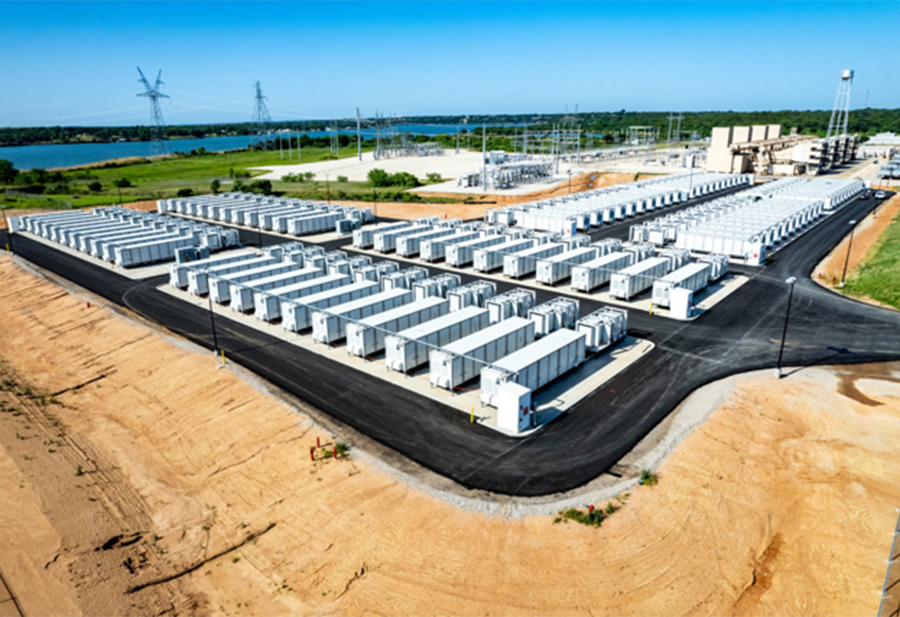
As South Carolina grows, Santee Cooper continues to bring on modern solutions to meet rising energy demands and maintain system reliability for its growing customer base. One example is investing in a battery energy storage system (BESS) that will be located at the Jefferies Generating Station.  

On Oct. 24, Santee Cooper announced that Aypa Power, a leading developer and operator of utility-scale BESS, will develop the Pinopolis Reliability Project, a 300 megawatt (MW) / 1,200 MW-hour battery storage facility. Aypa Power will build, own and operate the facility, which will be the largest battery storage installation in South Carolina and one of the largest in the South. 

BESS Benefits  

A BESS allows the grid to store electricity when it’s abundant and deliver it when it’s needed most—helping balance supply and demand in real time. Scheduled to be operational for the 2027–2028 winter season, the Pinopolis Reliability Project will enhance grid reliability and operational flexibility by storing energy during low-demand periods and supplying it during peak times. The BESS system also provides rapid response to maintain system frequency and, by extension, allows the other thermal power plants in Santee Cooper’s fleet to operate at their most efficient output, thereby reducing start-up and fuel costs. In addition to promoting greater grid reliability and efficiency, this project also has environmental and financial benefits. The Pinopolis Reliability Project will be located on the site of a former coal and oil generation plant that is considered an Energy Community by the Department of Energy. This means the project owner will leverage a 40% Inflation Reduction Act (IRA) tax credit, which means lower costs for our customers.  

“The Pinopolis Reliability Project is a great investment for our community,” said Marty Watson, Senior Director, Commercial and Customer Service. “It is a major step in modernizing South Carolina’s energy infrastructure and ensuring reliable, efficient service to meet the state’s growing power needs.”  

As South Carolina grows, Santee Cooper continues to bring on modern solutions to meet rising energy demands and maintain system reliability for its growing customer baseOne example is investing in a battery energy storage system (BESS) that will be located at the Jefferies Generating Station.  

On Oct. 24, Santee Cooper announced that Aypa Power, a leading developer and operator of utility-scale BESS, will develop the Pinopolis Reliability Project, a 300 megawatt (MW) / 1,200 MW-hour battery storage facilityAypa Power will build, own and operate the facility, which will be the largest battery storage installation in South Carolina and one of the largest in the South. 

BESS Benefits  

A BESS allows the grid to store electricity when it’s abundant and deliver it when it’s needed most—helping balance supply and demand in real time. Scheduled to be operational for the 2027–2028 winter season, the Pinopolis Reliability Project will enhance grid reliability and operational flexibility by storing energy during low-demand periods and supplying it during peak times. The BESS system also provides rapid response to maintain system frequency and, by extension, allows the other thermal power plants in Santee Cooper’s fleet to operate at their most efficient output, thereby reducing start-up and fuel costs. In addition to promoting greater grid reliability and efficiency, this project also has environmental and financial benefits. The Pinopolis Reliability Project will be located on the site of former coal and oil generation plant that is considered an Energy Community by the Department of Energy. This means the project owner will leverage a 40% Inflation Reduction Act (IRA) tax credit, which means lower costs for our customers.  

“The Pinopolis Reliability Project is a great investment for our community,” said Marty Watson, Senior Director, Commercial and Customer Service. “It is a major step in modernizing South Carolina’s energy infrastructure and ensuring reliable, efficient service to meet the state’s growing power needs.”