Santee Cooper and Forest Management
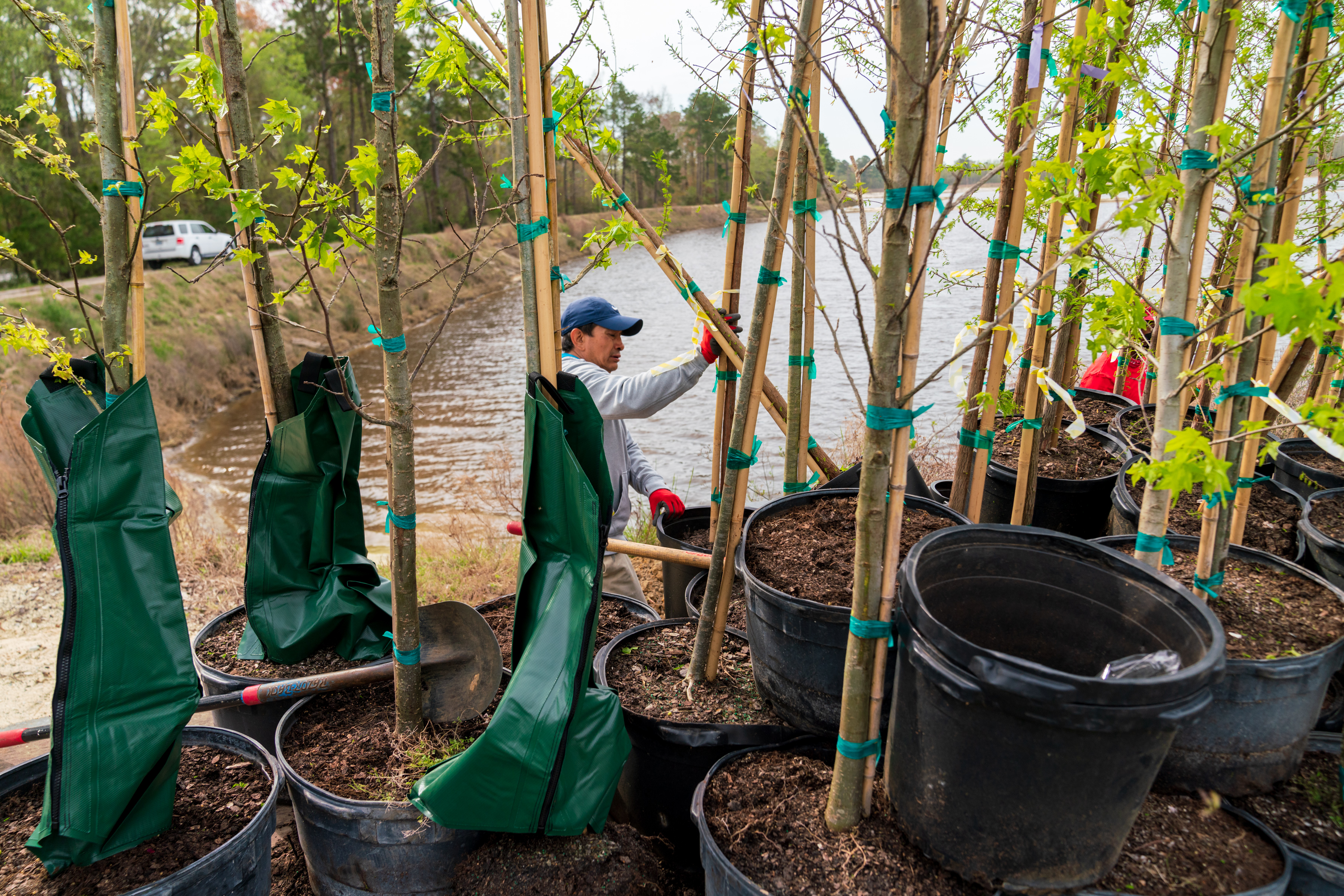
Anyone who spends even a small amount of time in a forest or wooded area can appreciate a tree. But for those who need a gentle reminder, Arbor Day is celebrated every year on the last Friday in April. This is a day to celebrate the planting, upkeep, and conservation of our wooden friends.
Santee Cooper’s Forest Management Plan has a long history of caring for trees and wildlife. The plan includes sustainable timber harvesting, protection of soil and water quality, fish and wildlife habitat enhancement, public recreation, and forest protection. You may wonder how timber harvesting is a positive when it comes to trees. The fact is that the thinning of forests maintains healthier timber stands and enhances vegetative diversity in the understory, providing a better habitat for certain wildlife species.
Renewing portions of the forest by clearcutting and reforesting also provides a diversity of habitat across the landscape as well as insures we have a balanced age structure in our forests. Santee Cooper conducts a final harvest, or clearcut, of approximately 250 -300 acres annually and promptly reforests these sites to maintain forest productivity, filter the air and sequester carbon dioxide.
It’s also important to note that timber is the top agribusiness crop in South Carolina and forest-based businesses are the largest employment sector. This is a huge economic impact as forestry and related businesses provide a 23.2 billion dollar benefit for the state.
Santee Cooper is also big on wetland restoration efforts. When we closed the Grainger Generating Station, we planted approximately 68,000 bald cypress, swamp tupelo, and several oak species in the former Lake Busbee, effectively restoring about 180 acres of the Waccamaw River bottomland forest.
At Camp Hall we’ve already re-established approximately 280 acres of native hardwoods, allowing us to enhance a total of 1,950 acres of wetlands and uplands to offset planned impacts to 208 acres of wetlands on the site. We also planted 151,000 hardwood seedlings that included 139,000 oaks of various species, 9,000 red maple, 2,200 bald cypress, and 500 water tupelo seedlings. Next year, we will do an additional 180 acres of hardwood planting with similar species.
As far as soil and water conservation, these are primarily achieved through well-implemented forest management operations. Forest lands help watersheds by acting as a filter for them. This is especially true if they are properly managed. Areas where timber harvesting is limited or excluded are called “streamside-management zones,” and they help protect our lakes and streams by preventing erosion and sedimentation. We take water quality of the Santee Cooper lakes seriously as we provide it to 200,000 people in Berkeley, Dorchester and Orangeburg counties.