Ask an Expert: Why is Resource Planning Important?
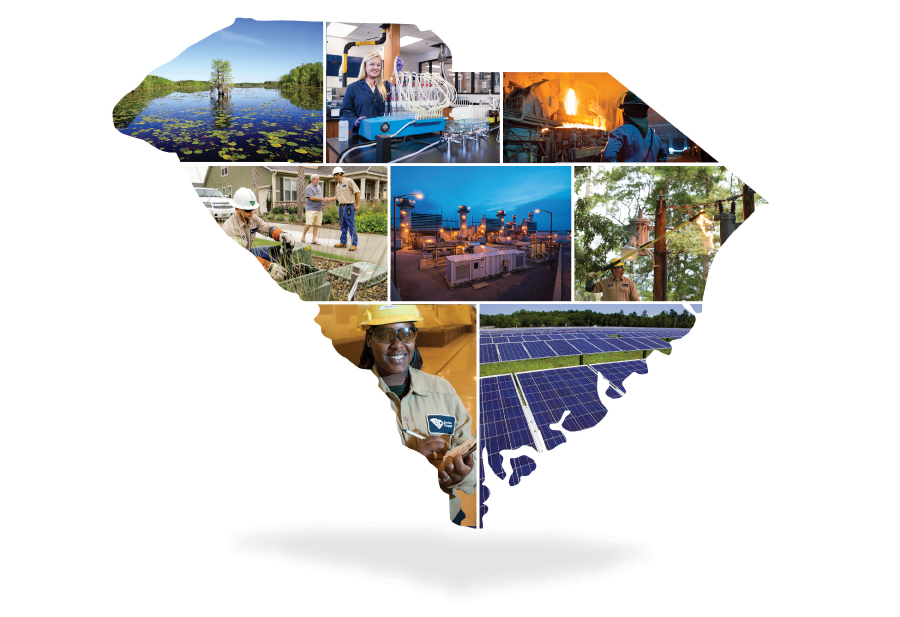
At Santee Cooper, we’re always planning ahead to make sure the power you rely on is safe, consistent and affordable. One of the most important ways we do this is through resource planning.
We sat down with Clay Settle, Senior Manager of Resource Planning, to learn more about Santee Cooper’s Integrated Resource Plan (IRP), the process and why it is important.
Q: What is an IRP and why is it important?
Settle: An IRP helps Santee Cooper plan for the future. It looks at how much electricity our communities will need and plans for the best mix of generation resources to reliably and affordably meet those needs. Santee Cooper files a comprehensive IRP every three years with annual updates in between. We filed our 2025 IRP Update with the Public Service Commission (PSC) on Sept. 16, 2025.
Q: What is new in the 2025 IRP Update?
Settle: Santee Cooper’s 2025 IRP Update provides a detailed overview on how our approved 2023 IRP portfolio is expected to be impacted by the current assumptions, trends and other considerations.
- This year’s 2025 IRP Update is consistent with, and confirms, many of the primary conclusions reached in the 2023 IRP and the 2024 IRP Update.
The 2025 IRP Update plans to meet significant load growth projections and ensures system reliability through the addition of new efficient dispatchable resources on Santee Cooper’s system. The resources we intend to build during the coming years, as noted in our IRP, include battery storage and natural gas generation. This combination of resources will cut our CO2 emissions by over 50% in the next 10 years compared to 2005 levels. Natural gas generation is flexible and will also help us better integrate solar power.
Santee Cooper’s proposed 2025 IRP plans for 2,000 MW of solar. By integrating both solar and battery storage into our generation systems, we will have the ability to store energy in off peak hours when energy cost is typically lower and then put that power on the grid during peak hours or when solar is not available.
Through this innovative approach, Santee Cooper will continue to provide our customers with generation that is reliable, affordable for our customers and environmentally protective.
Q: Who is involved in the IRP Process?
Settle: Santee Cooper continually engages stakeholders to solicit feedback.
We offer different forms of engagement to ensure interested stakeholders are able to participate based on their level of interest. For the 2024-2026 IRP Stakeholder Process, Santee Cooper formed a Stakeholder Working Group that currently consists of 51 members made up of state agencies, customer representatives, non-government organizations and Central Electric Power Cooperative. The working group meets several times a year in the development of the IRPs. Santee Cooper hosts technical sessions with interested working groups on specific topics of interest at Santee Cooper’s or stakeholders’ requests. Lastly, Santee Cooper hosts general notice meetings periodically to allow all interested stakeholders and the general public the opportunity to provide input and feedback.
All of the stakeholder information is available on our website, 2024-2026 IRP Stakeholder Process. Santee Cooper also maintains a stakeholder forum on our website that allows interested stakeholders to provide input and feedback at any time.
Q: Can I participate in the IRP process?
Settle: We encourage customers, stakeholders, and interested community members to participate. Together, we can create an energy plan that keeps South Carolina powered reliably, sustainably and affordably for decades to come.